Timber vs composite decking: which suits a Sydney home?
Short answer: Choose hardwood if you want a natural look you can sand back and refinish, and you don’t mind oiling it regularly. Choose composite if low upkeep matters most and the budget allows. Choose treated pine for the lowest up-front cost, or for the frame under either one. On bush fire prone land, your bushfire attack level narrows the choice.
The three common options
Hardwood
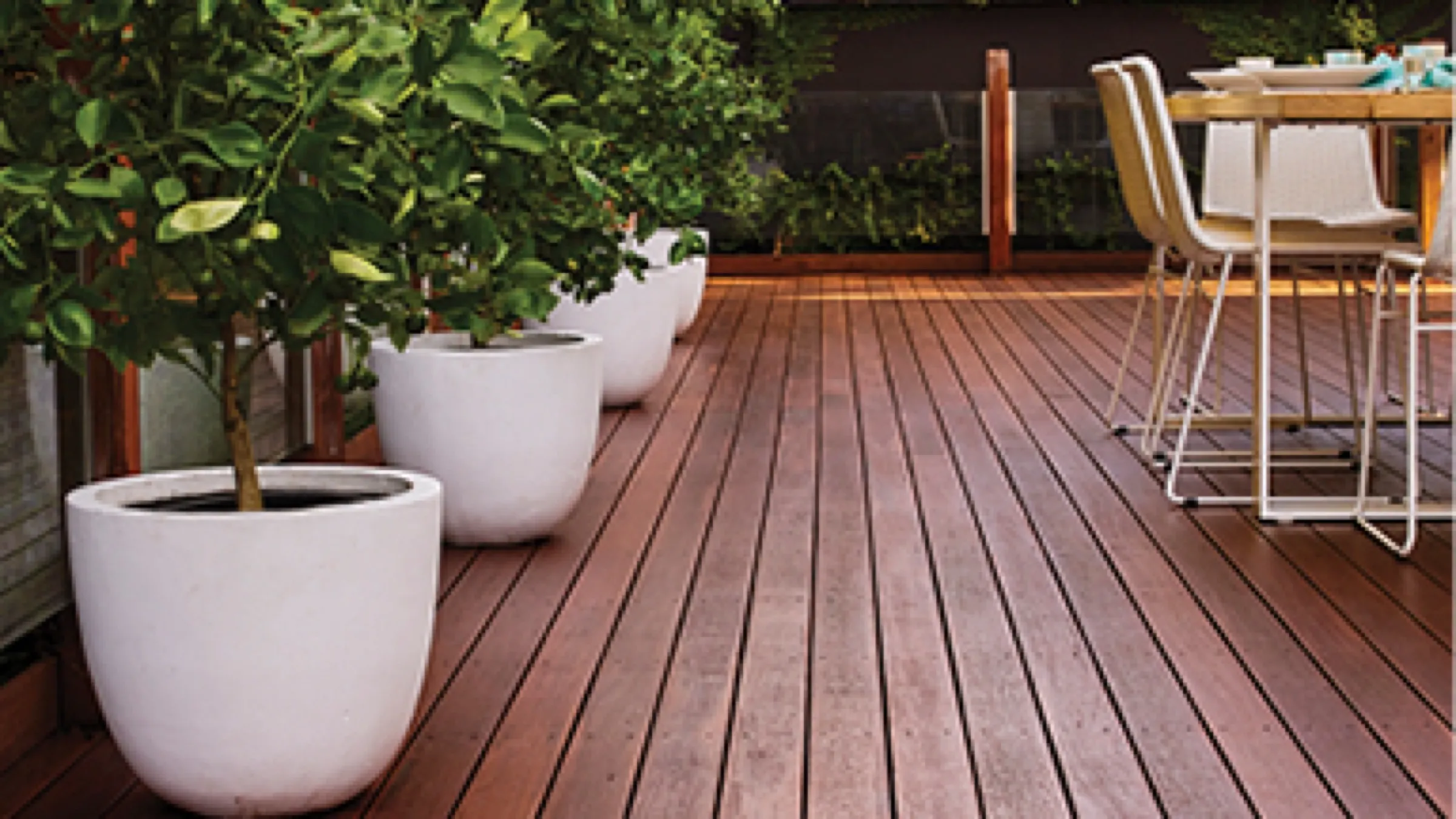
Australian hardwoods such as spotted gum, blackbutt and ironbark are popular for Sydney decks. They’re dense, strong and look warm and natural.
- Upkeep: needs oiling or staining to hold its colour. Left alone, it weathers to silver-grey.
- Repairs: boards can be sanded, re-oiled and replaced one at a time.
- Feel: natural grain and texture underfoot.
Treated pine
Treated pine is the most common timber for deck framing, and can be used for boards too.
- Cost: usually the cheapest option.
- Upkeep: needs regular coating, and it’s softer than hardwood, so it dents and marks more easily.
- Use: often best as the hidden frame under hardwood or composite boards.
Composite
Composite boards are made from a mix of wood fibre and plastic, and many are wrapped in a protective plastic cap.
- Upkeep: no oiling. An occasional wash is usually enough.
- Cost: usually more expensive up front than timber.
- Heat: darker boards can get hot in full sun.
- Repairs: damaged boards are replaced, not sanded back, and colours can be hard to match later.
Things to weigh up
How much upkeep will you really do? A hardwood deck that never gets oiled goes grey and can start to crack and split. If you know you won’t re-coat it, composite may be the better long-term choice.
How much sun does the deck get? North and west-facing decks get the most heat. Lighter composite colours, or timber, stay cooler underfoot.
Is the property on bush fire prone land? Your bushfire attack level decides which decking products you can use. Check the product’s tested rating against AS 3959.
Does it need approval? The decking material doesn’t change the approval rules. Size, height and setbacks do. See when a deck needs approval in NSW.
Repair or replace?
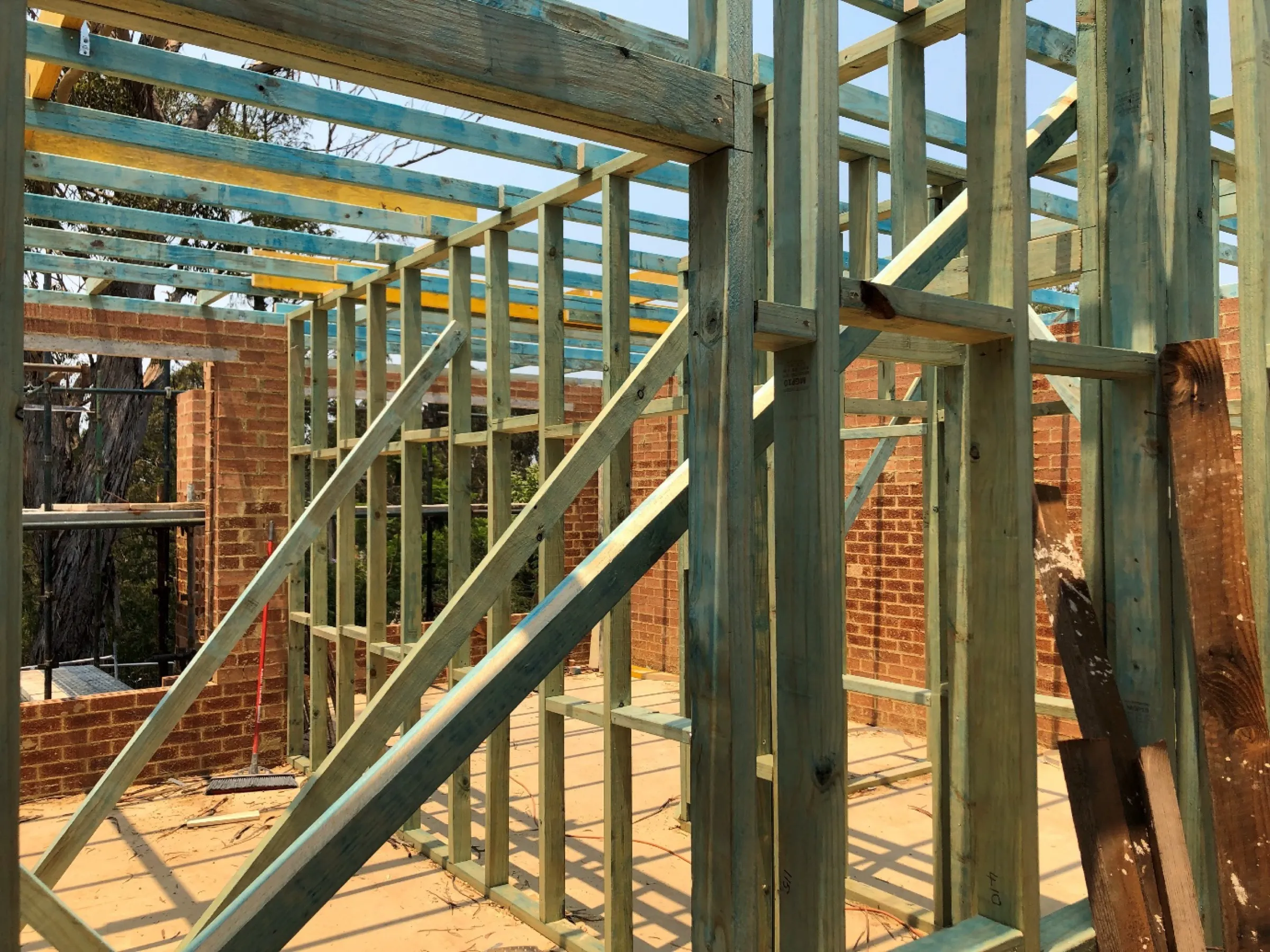
If your existing deck has a few soft or split boards but the frame is sound, replacing boards and re-oiling can give it years more life. If the joists, bearers or posts have rot or termite damage, the frame should be fixed or replaced before any new boards go down.
How we can help
We build decks in hardwood, treated pine and composite, and repair existing decks. We’ll talk through how you use the space and how much upkeep you want, then recommend a material to suit.
Quick answers
Is composite decking better than timber?
Neither is better for every home. Composite needs less maintenance and won't need oiling, but usually costs more up front. Hardwood looks and feels natural and can be sanded back and refinished, but needs regular oiling to keep its colour.
Does composite decking get hot?
Many composite boards, especially darker colours, get noticeably hot in full sun. Lighter colours and shade help. Check the manufacturer's information if the deck gets afternoon sun.
Which decking is best for bushfire-prone land?
It depends on your bushfire attack level (BAL). Many decking products are tested and rated for particular levels. Check the product against AS 3959 for your site's BAL before you buy.
How often does a timber deck need oiling?
It depends on the coating and how much sun the deck gets. Follow the coating manufacturer's recommendation, and re-coat when water stops beading on the surface.
Sources
- Balconies, decks, patios, pergolas, terraces and verandahs – Rules for exempt development (NSW Department of Planning)
- Your level of risk (NSW Rural Fire Service)
General information only, not legal or planning advice. Always check the current rules for your property with your council, a certifier or the relevant NSW Government agency.