How high can a fence be in NSW without approval?
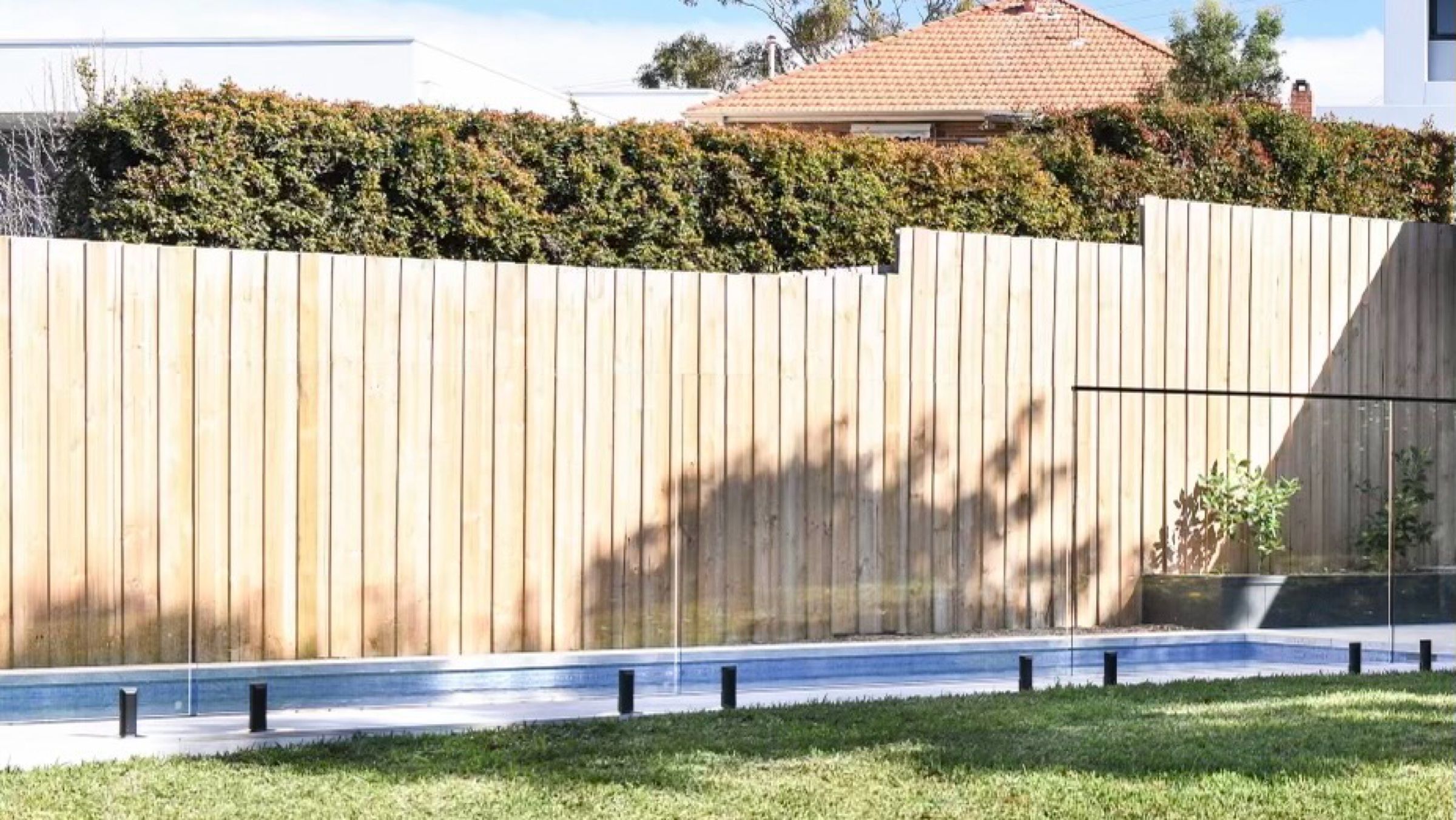
Short answer: In most NSW residential zones, you can build a side or rear boundary fence up to 1.8 m high (1.2 m if it’s masonry) without approval. Fences on or near the front boundary, or any boundary facing a road, are limited to 1.2 m.
These are the exempt development standards. A fence that doesn’t meet them may still be approved as complying development or through a development application.
When a fence can’t be exempt
A fence can’t be built as exempt development:
- on, or along the boundary of, a lot with a heritage item or draft heritage item
- along or in the road setback of a lot in a heritage conservation area (residential, rural and environmental zones)
- in foreshore areas and on flood-control lots (except zone R5)
Rules for all exempt fences
- Gates must not open outwards.
- On bush fire prone land, fences must be non-combustible or hardwood.
- Any metal must be low-reflective and factory pre-coloured.
- No electric fencing or barbed wire in residential, business or industrial zones (except zone R5).
- Councils may add controls in koala habitat areas.
Residential height limits
| Fence | Maximum height |
|---|---|
| Side and rear boundary | 1.8 m (1.2 m masonry) |
| Along, or in the setback of, a primary or secondary road | 1.2 m |
Fences facing a secondary road (the side street on a corner block) must also be at least 20% transparent above 400 mm, with solid piers or posts no wider than 350 mm. Corner blocks can have a solid fence up to 1.8 m along the rear 50% of the secondary frontage.
Sloping sites
On sloping blocks, fences can step down with the ground. In residential zones:
- a fence limited to 1.2 m can reach 1.5 m at each step
- a fence limited to 1.8 m can reach 2.2 m at each step
Dividing fences
A fence between you and a neighbour is a dividing fence, and the Dividing Fences Act 1991 also applies. Neighbours generally share the cost of a sufficient dividing fence. It’s worth agreeing on the design and cost before any work starts. We’re happy to give you a written quote to share with your neighbour.
Choosing timber for a fence
Hardwood palings and posts last longer and meet the bushfire rule for exempt fences. Treated pine costs less, but it isn’t hardwood, so it doesn’t meet that rule on bush fire prone land. We’ll recommend a material that suits your site and budget.
These rules were checked against NSW Government sources in September 2026. Confirm the current standards for your property before building.
Quick answers
How high can a side or back fence be in NSW?
Up to 1.8 m in most residential zones as exempt development, or 1.2 m if the fence is masonry.
How high can a front fence be in NSW without approval?
1.2 m along the boundary with, or in the setback area of, a primary or secondary road. Fences on a secondary road must be at least 20% transparent above 400 mm, with solid piers no wider than 350 mm.
Can a timber fence be built on bushfire-prone land?
As exempt development, fences on bush fire prone land must be built from non-combustible materials or hardwood.
Who pays for a dividing fence in NSW?
Dividing fences are covered by the Dividing Fences Act 1991, under which neighbours generally share the cost of a sufficient dividing fence. Talk to your neighbour before you start.
Sources
General information only, not legal or planning advice. Always check the current rules for your property with your council, a certifier or the relevant NSW Government agency.